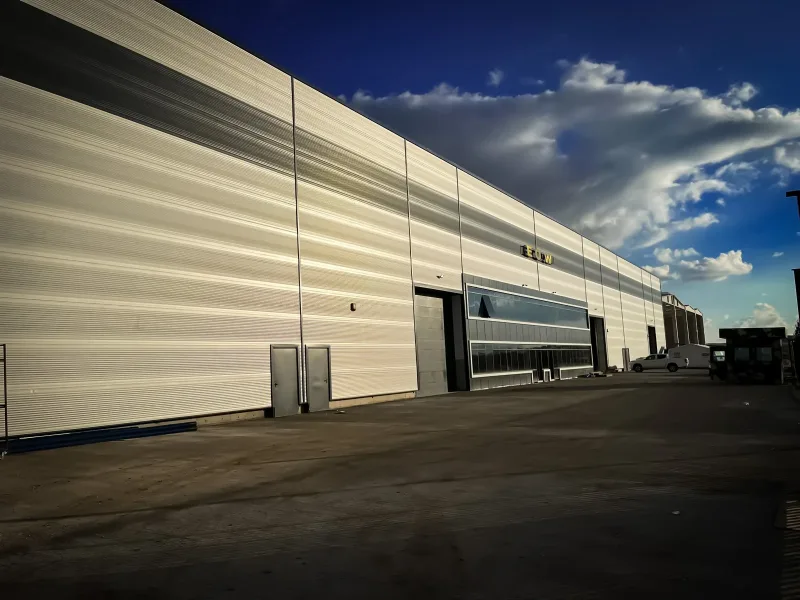
The Difference Between Mobile Medical Containers and Mobile Medical Clinics
In the evolving landscape of healthcare delivery, both mobile medical containers and mobile medical clinics have emerged as vital solutions. These innovative approaches enable medical services to reach remote, underserved, and emergency locations, providing essential care where it is most needed. While both share the common goal of increasing healthcare accessibility, there are distinct differences between them.
Mobile Medical Containers
Design and Structure:
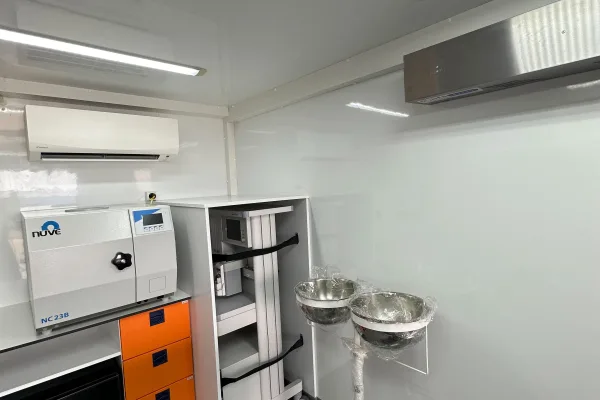
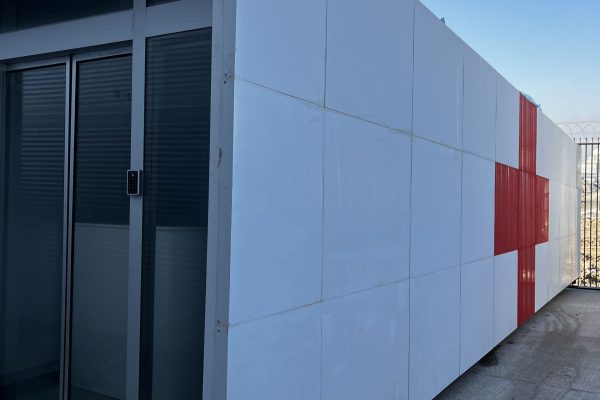
Mobile medical containers are typically repurposed shipping containers or specially designed modular units. Their robust construction ensures durability and security, making them ideal for harsh environments and long-term deployments. These containers are highly customizable, allowing for various configurations based on specific medical requirements.
Usage:
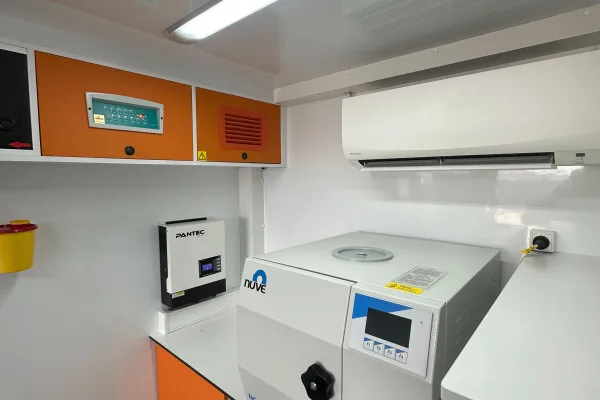
Because of their sturdy construction, organizations often utilize mobile medical containers in disaster relief, military operations, and remote areas lacking permanent medical facilities. These containers can accommodate advanced medical equipment, allowing them to operate as surgical units, diagnostic centers, or specialized treatment rooms. Their modular nature allows for easy expansion and integration with other container units to form larger medical complexes.
Advantages:
- Durability: Built to withstand extreme conditions.
- Customization: Easily tailored to meet diverse medical needs.
- Security: Provides a secure environment for both patients and equipment.
Click the link below to see our mobile medical containers.


Mobile Medical Clinics
Design and Structure:
Typically, mobile medical clinics are constructed on vehicle platforms like trucks, vans, or buses. These clinics facilitate mobility, enabling them to swiftly and efficiently travel to diverse locations. They feature medical facilities tailored to offer a range of services, from primary care and vaccinations to dental care and minor surgeries.
Usage:
Mobile medical clinics are often employed in urban and rural outreach programs, community health initiatives, and routine medical services in underserved areas. Their mobility makes them ideal for scheduled visits to multiple locations, offering consistent and reliable healthcare access to populations with limited transportation options.
Advantages:
- Mobility: Can quickly move between different locations to reach a wider patient base.
- Accessibility: Brings healthcare services directly to the community.
- Flexibility: Adaptable for various medical services and outreach programs.
Click the link below to see our mobile medical Clinics.


Comprehensive Comparison: Mobile Medical Containers vs. Mobile Medical Clinics
In general, if we want to compare mobile medical containers and mobile medical clinics, we can highlight several key differences. Below is a detailed comparison to help you understand the distinct features and benefits of each option:
| Aspect | Mobile Medical Containers | Mobile Medical Clinics |
| Design and Structure | Repurposed shipping containers or modular units | Built on vehicle platforms like trucks, vans, or buses |
| Mobility | Limited mobility; requires transport by truck or crane | High mobility; can travel independently to various locations |
| Durability | Highly durable and built to withstand harsh environments | Less durable compared to containers, but suitable for road travel |
| Customization | Highly customizable for specific medical needs | Customizable but with limitations due to vehicle space constraints |
| Setup Time | Longer setup time due to transport and installation | Quick setup and ready to provide services immediately upon arrival |
| Usage Environment | Ideal for disaster relief, military operations, remote areas | Ideal for urban and rural outreach programs, community health initiatives |
| Scalability | Easily expandable by adding more containers | Limited scalability based on vehicle size and capacity |
| Medical Equipment | Can house advanced medical equipment and specialized facilities | Equipped with essential medical tools for general and primary care |
| Security | Provides a secure environment for equipment and patients | Less secure compared to containers, but suitable for temporary setups |
| Operational Costs | Higher initial costs but lower long-term operational costs | Lower initial costs but potentially higher operational costs due to maintenance and fuel |
| Capacity | Can be designed to accommodate larger patient volumes and specialized services | Limited patient capacity based on vehicle size |
| Deployment Time | Requires more time for deployment in new locations | Rapid deployment and redeployment to multiple locations |
| Power and Utilities | Often equipped with independent power and utility systems | Dependent on vehicle power systems, may need external hookups |
| Flexibility | Can be configured for a wide range of medical functions | Flexible but more suited to specific medical outreach services |
| Long-term Use | Suitable for long-term, semi-permanent installations | Best for short-term, periodic visits to multiple locations |
Conclusion
Both mobile medical containers and mobile medical clinics play crucial roles in enhancing healthcare accessibility. Mobile medical containers provide durable, customizable solutions for challenging environments and long-term needs, while mobile medical clinics offer flexible, mobile services for community outreach and routine care. Understanding the differences between these two solutions can help in selecting the appropriate option to meet specific healthcare delivery goals.
To gain a deeper understanding and make an informed choice between mobile medical containers and mobile medical clinics, we encourage you to consult with our experts. Our team is ready to assist you in identifying the best solution to meet your specific needs. Please contact us at info@eow.ae and share your requirements, so our knowledgeable consultants can provide you with the most suitable advice and equipment.
By leveraging these innovative healthcare delivery models, organizations can ensure that essential medical services are accessible to those who need them the most, regardless of their location.