


Description
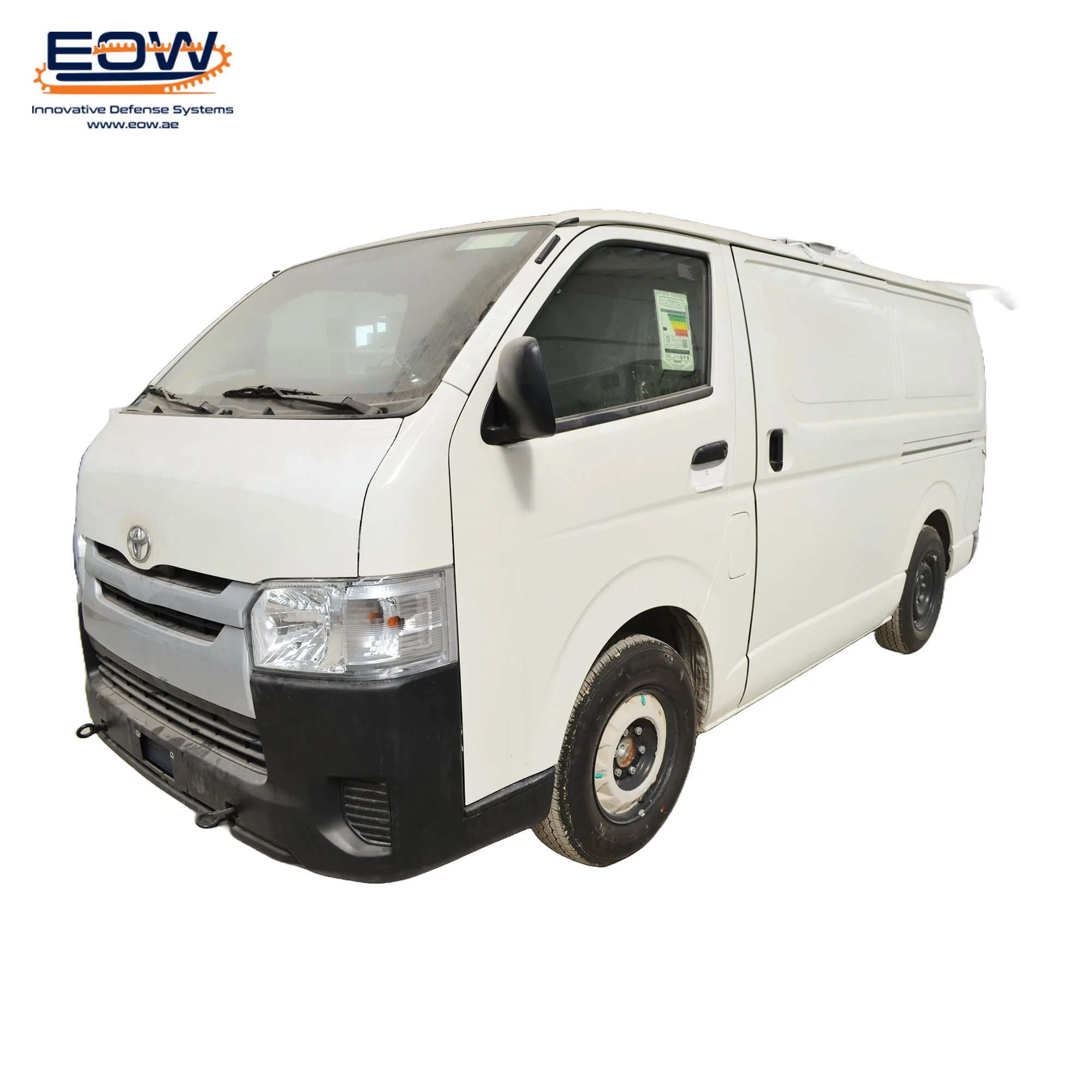
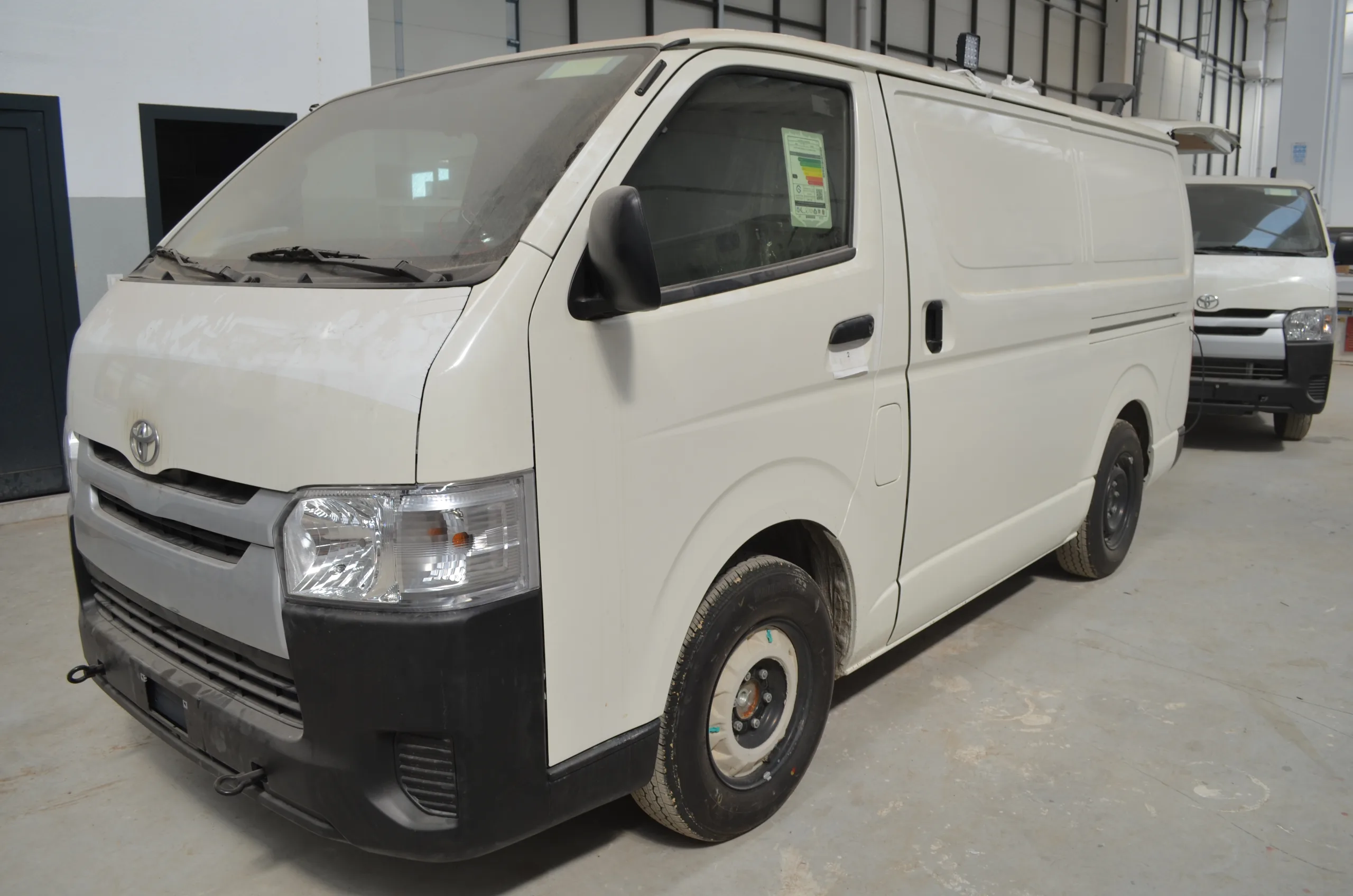
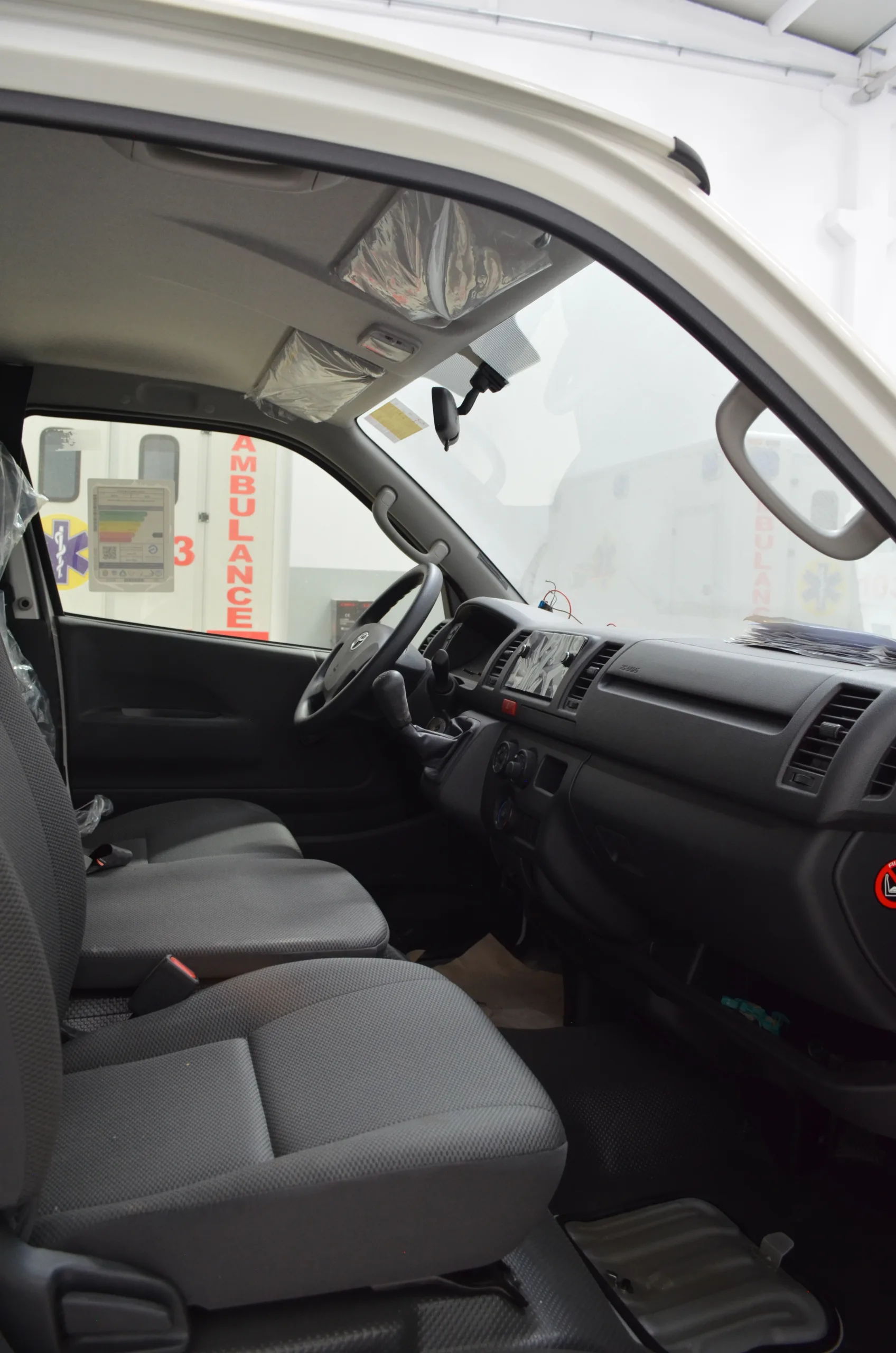
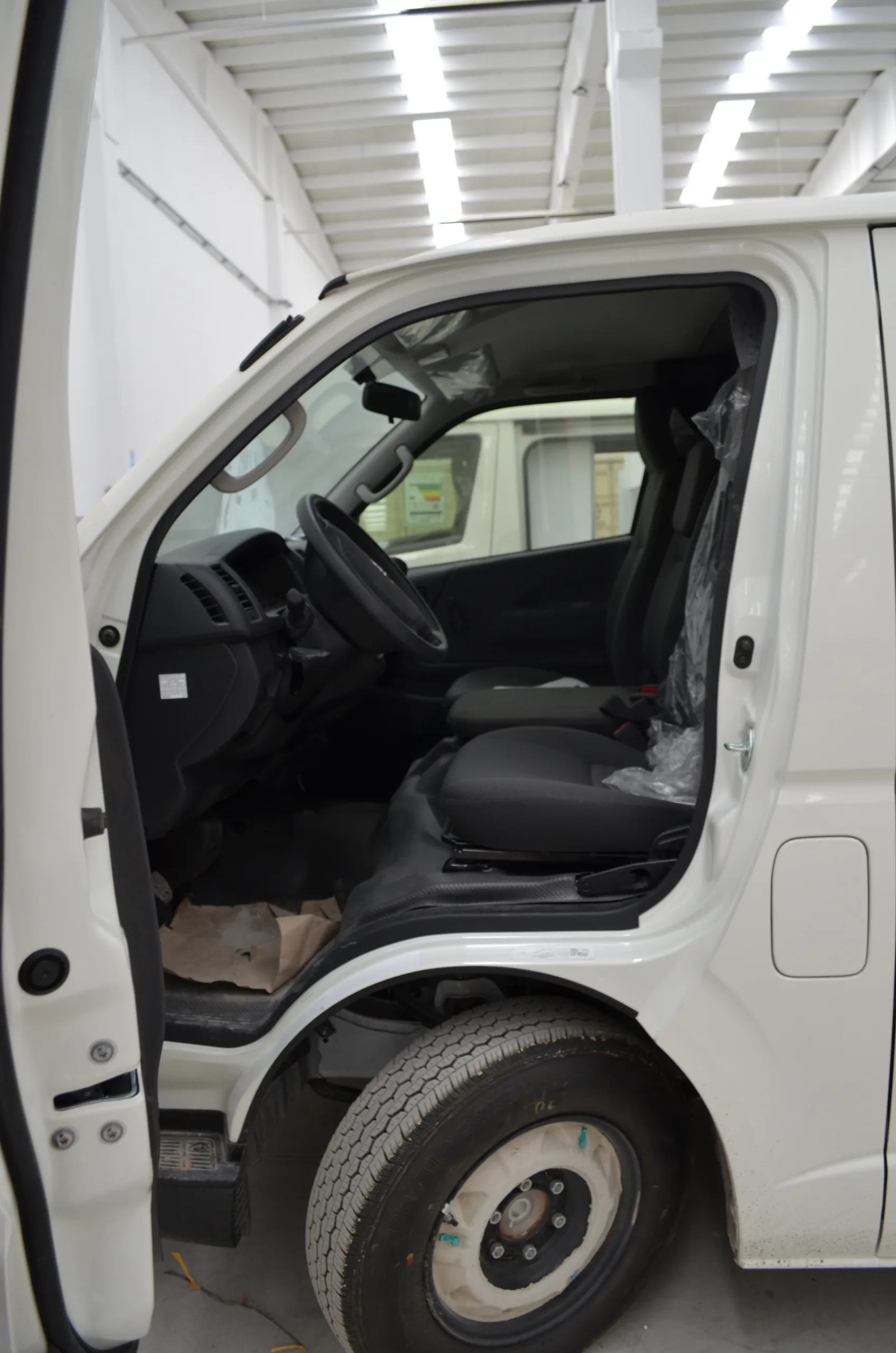
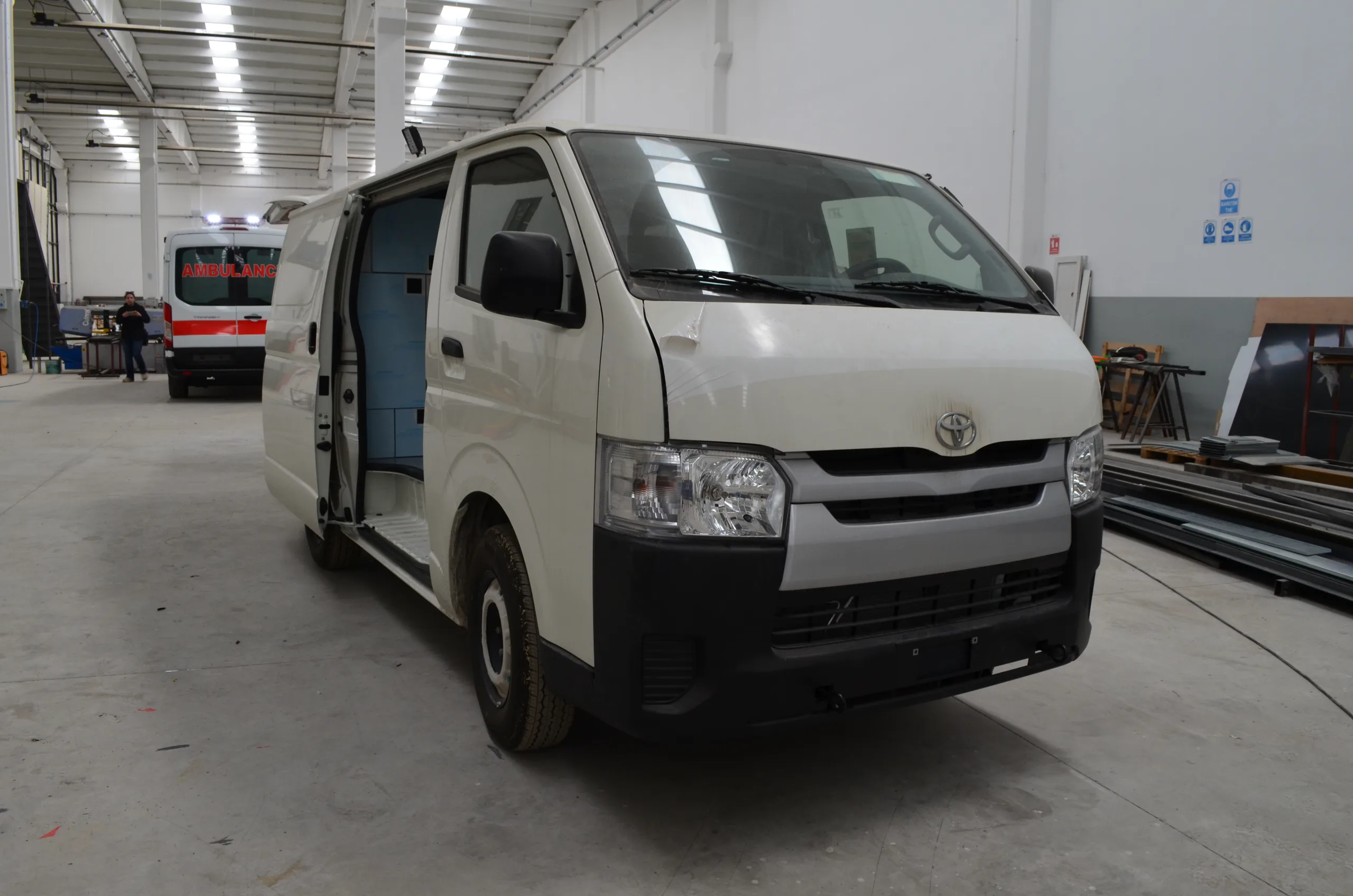
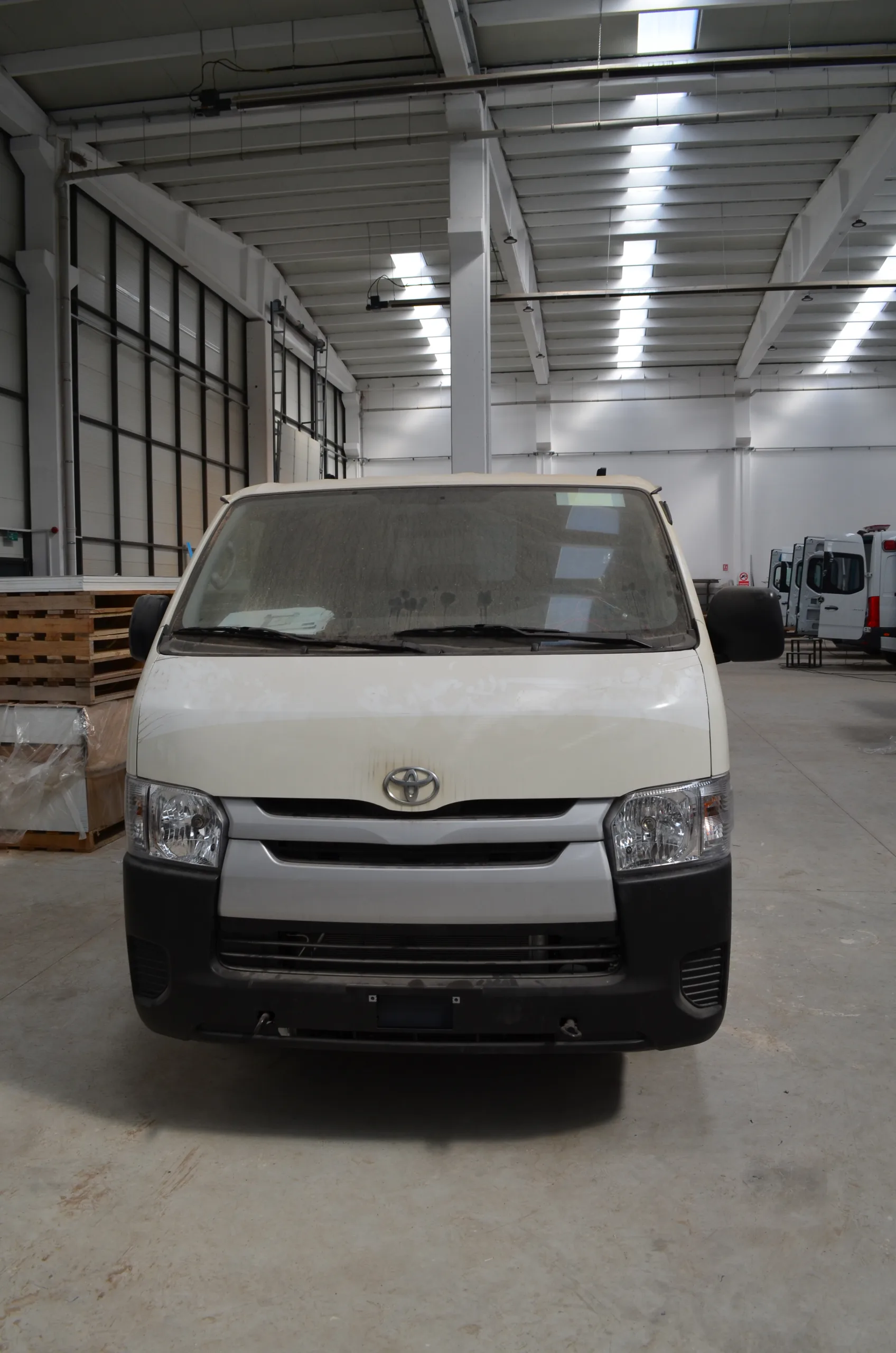
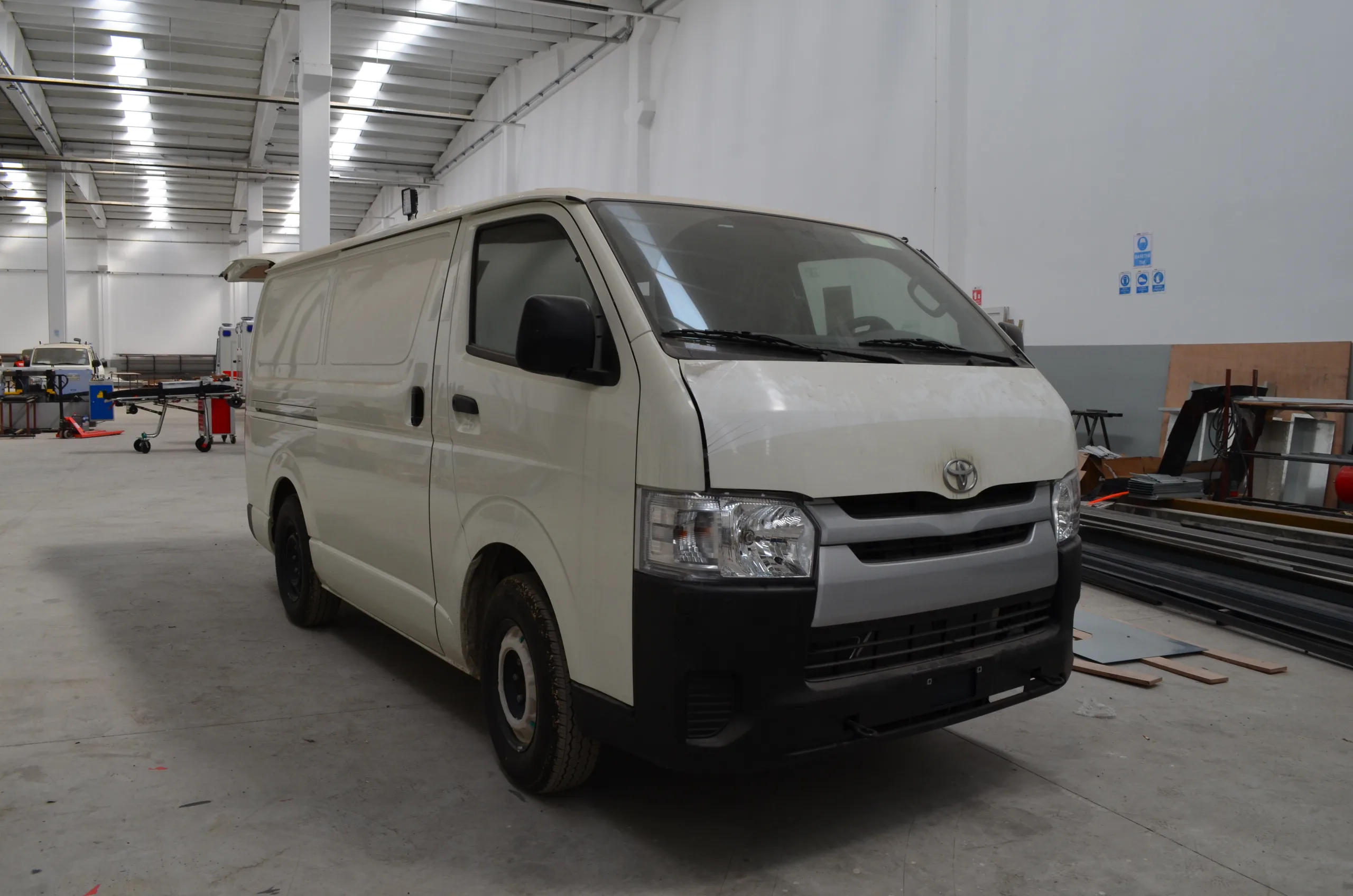
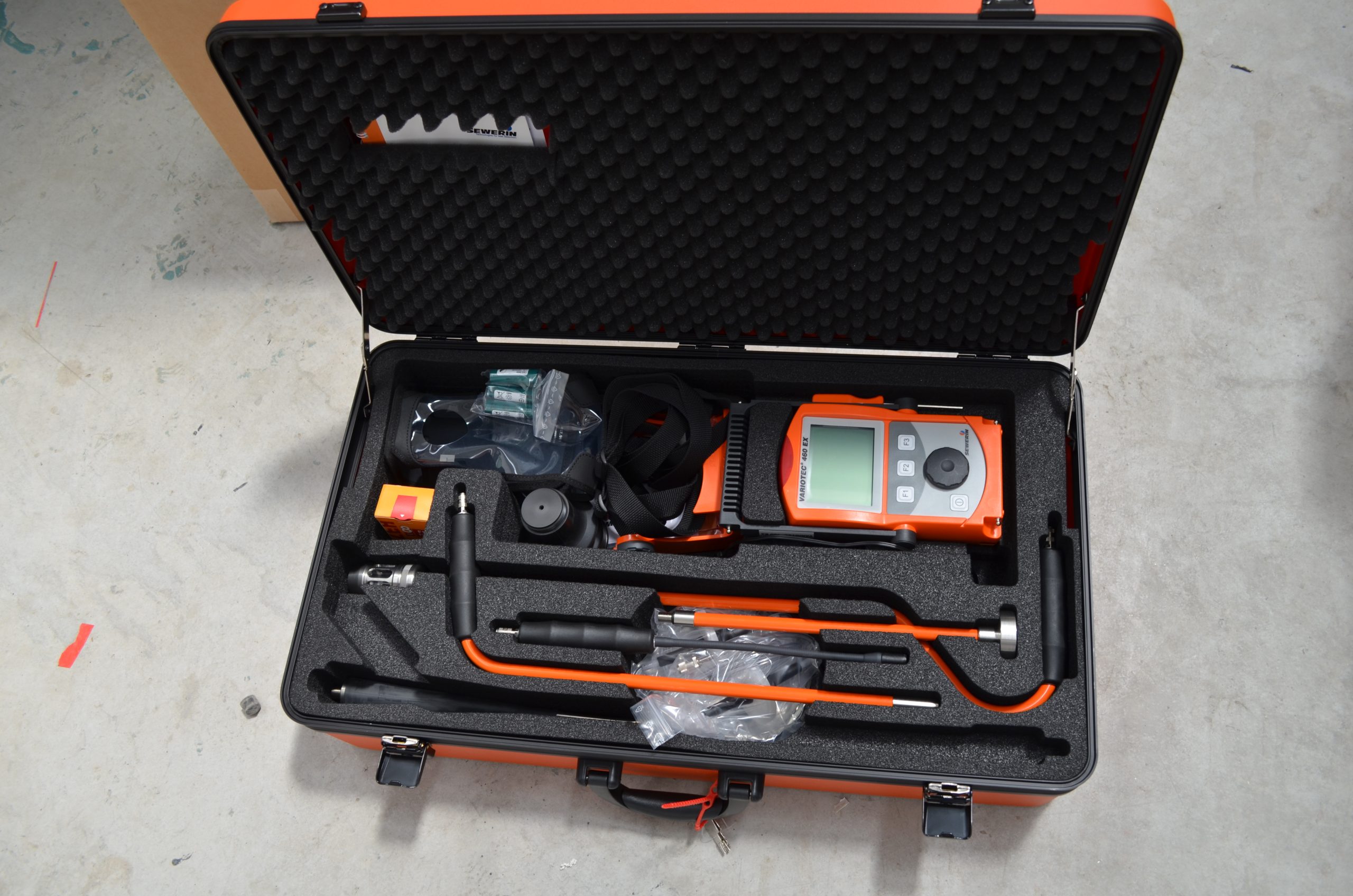
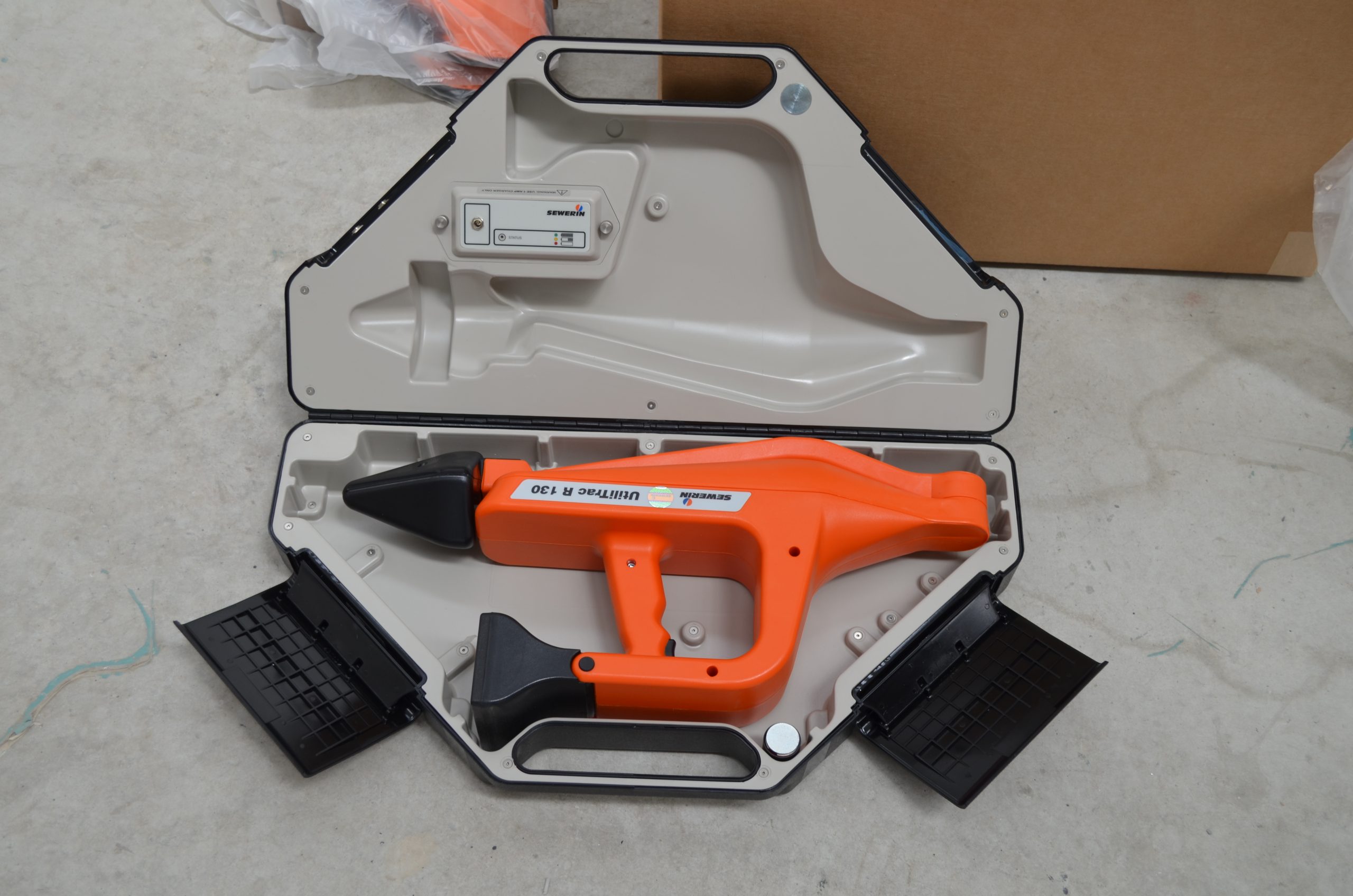
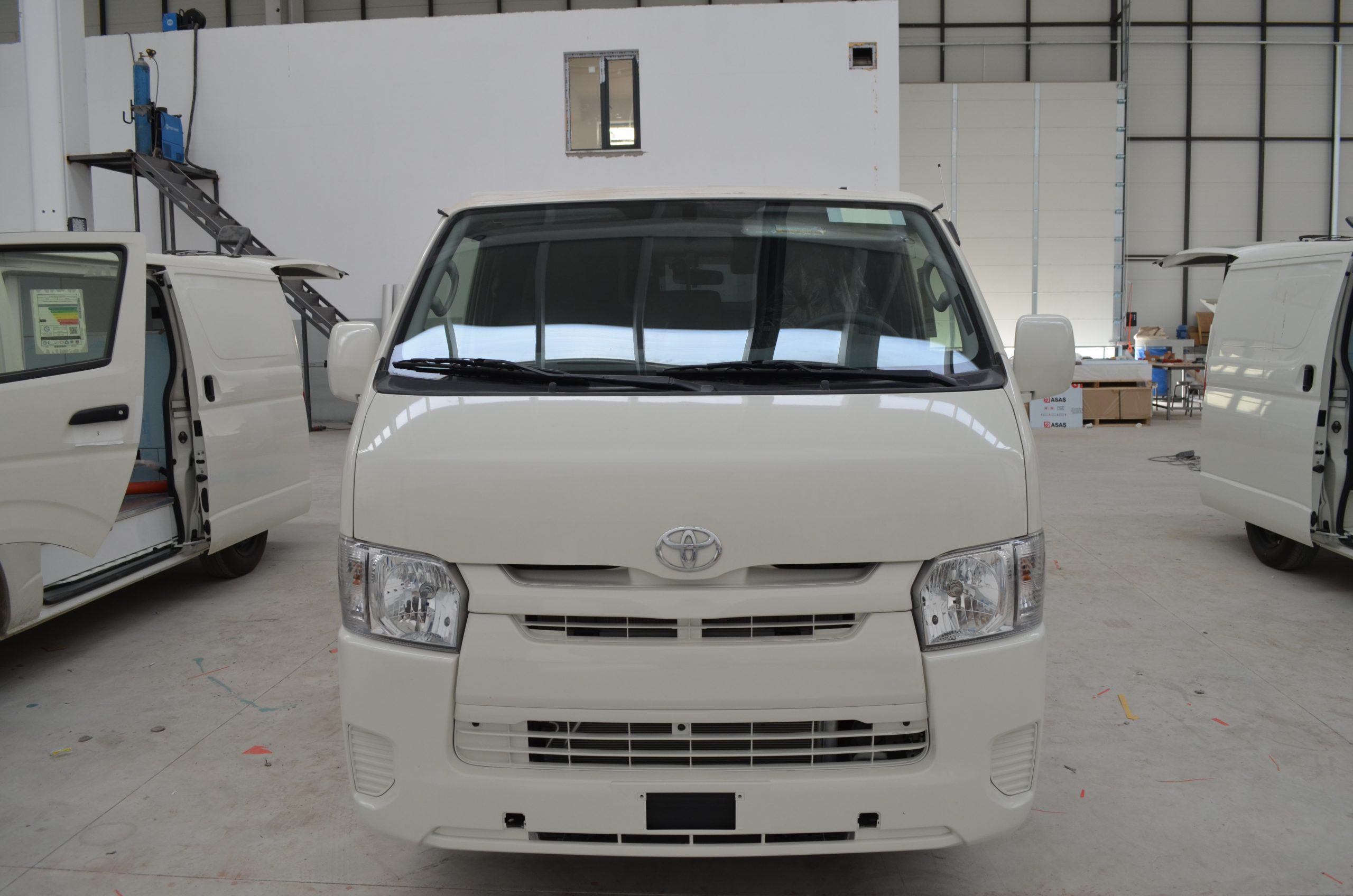
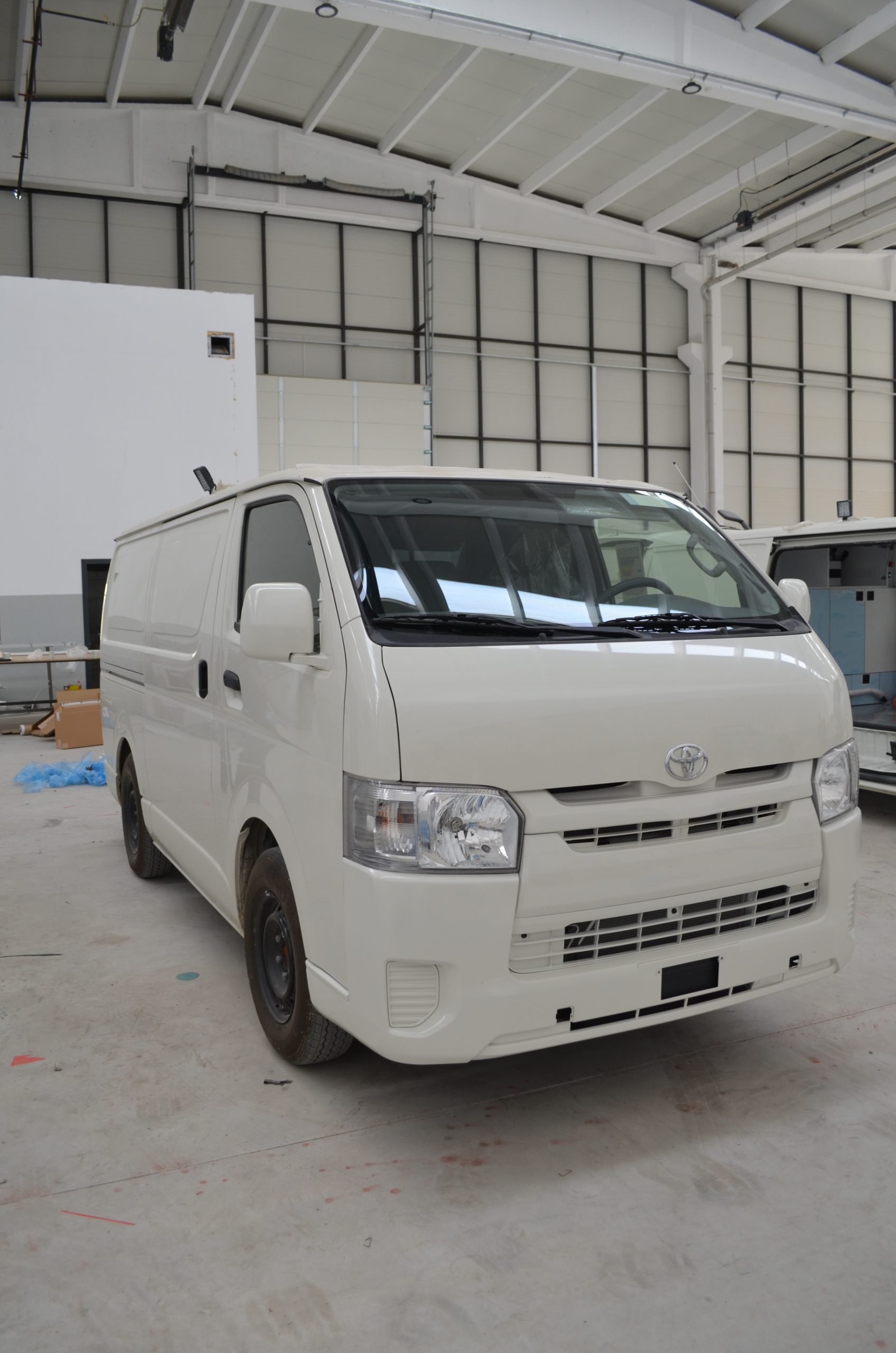
A Toyota Hiace’s Gaz Detector Vehicle engine is durable, reliable, and high-quality. The cargo space is versatile, as well as strong suspension and safety. In addition to breaking new ground in structure, the Hiace remains functional and improved while breaking new ground in design.
The Toyota Hiace Gaz Detector Vehicle features a durable 4-cylinder, DOHC, 16-valve D-4D Turbo Diesel engine with a model designation of 2KD-FTV. Operating efficiently under the renowned Hiace Toyota brand, this vehicle runs on diesel fuel through a Direct Injection Common Rail system. Its power is channeled through a dependable 5-speed manual transmission and four cylinders with a displacement of 2,494cc. Delivering a maximum output of 75 kW (102 PS) at 3,600rpm and a torque of 260 kW (26.5 kg-m) between 1,600-2,400rpm, the Toyota Hiace Gas Detector provides an exhilarating driving experience. The gear system is designed for smooth operation with its efficient 5-speed manual configuration.
Toyota Hiace
The Toyota Hiace Gaz Detector Vehicle diesel van is renowned for its impressive capabilities, including strong performance, efficient fuel consumption, reliability, spacious cargo capacity, and the ability to handle heavy loads. Its powerful torque enables quick acceleration and towing, while maintaining good fuel efficiency and low long-term maintenance expenses. In addition to meeting strict emissions regulations, it also boasts reasonable driving dynamics for its category. This combination makes it a top pick among both businesses and individuals, especially where diesel fuel is easily accessible at affordable prices.
The 2023 Toyota Hiace diesel van, model 2KD-FTV, has a strong chassis base structure for durability and stability. As a result, the van’s cargo capacity and towing abilities are reliable, making it an excellent choice for industrial and transportation applications.
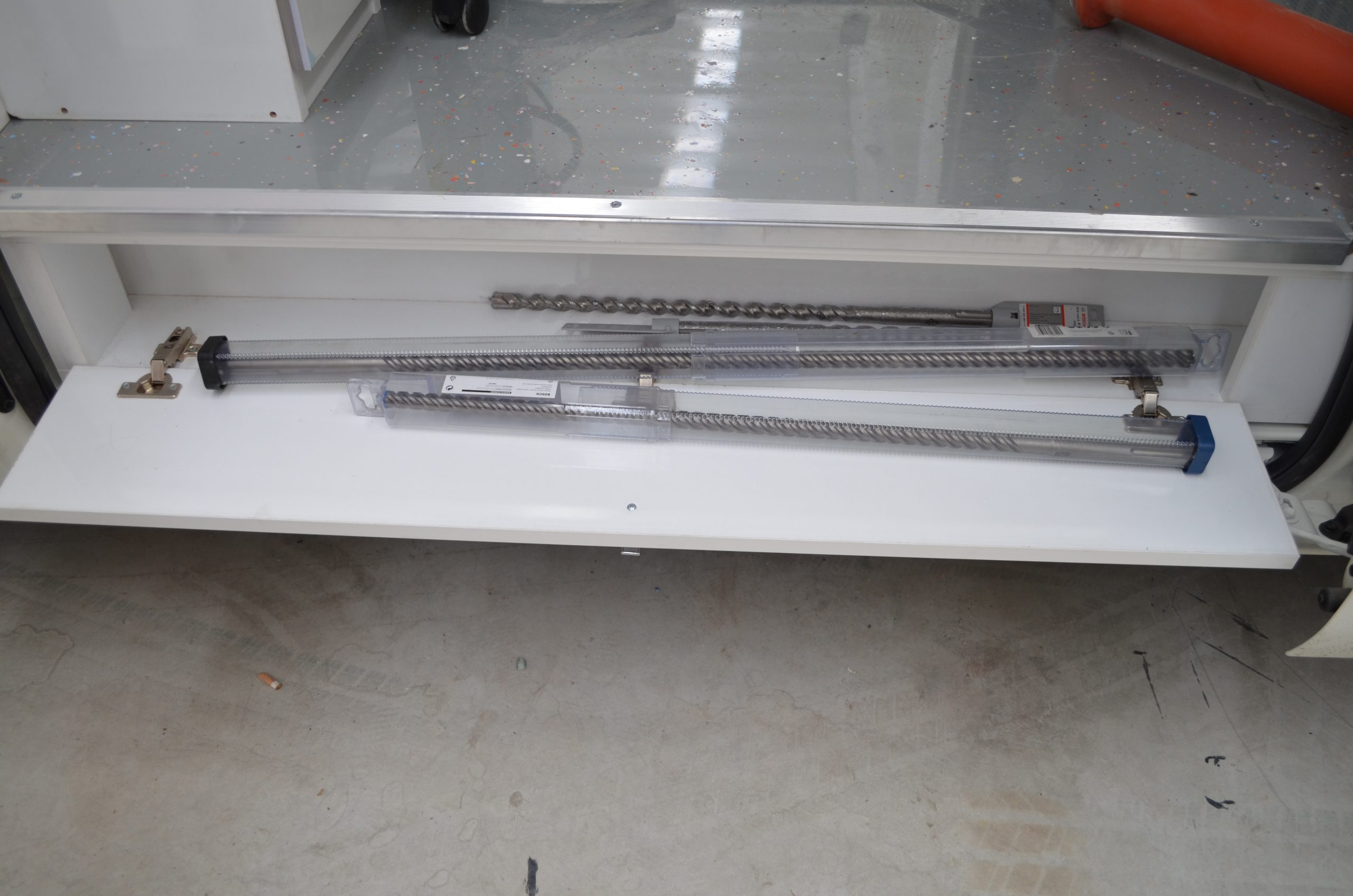
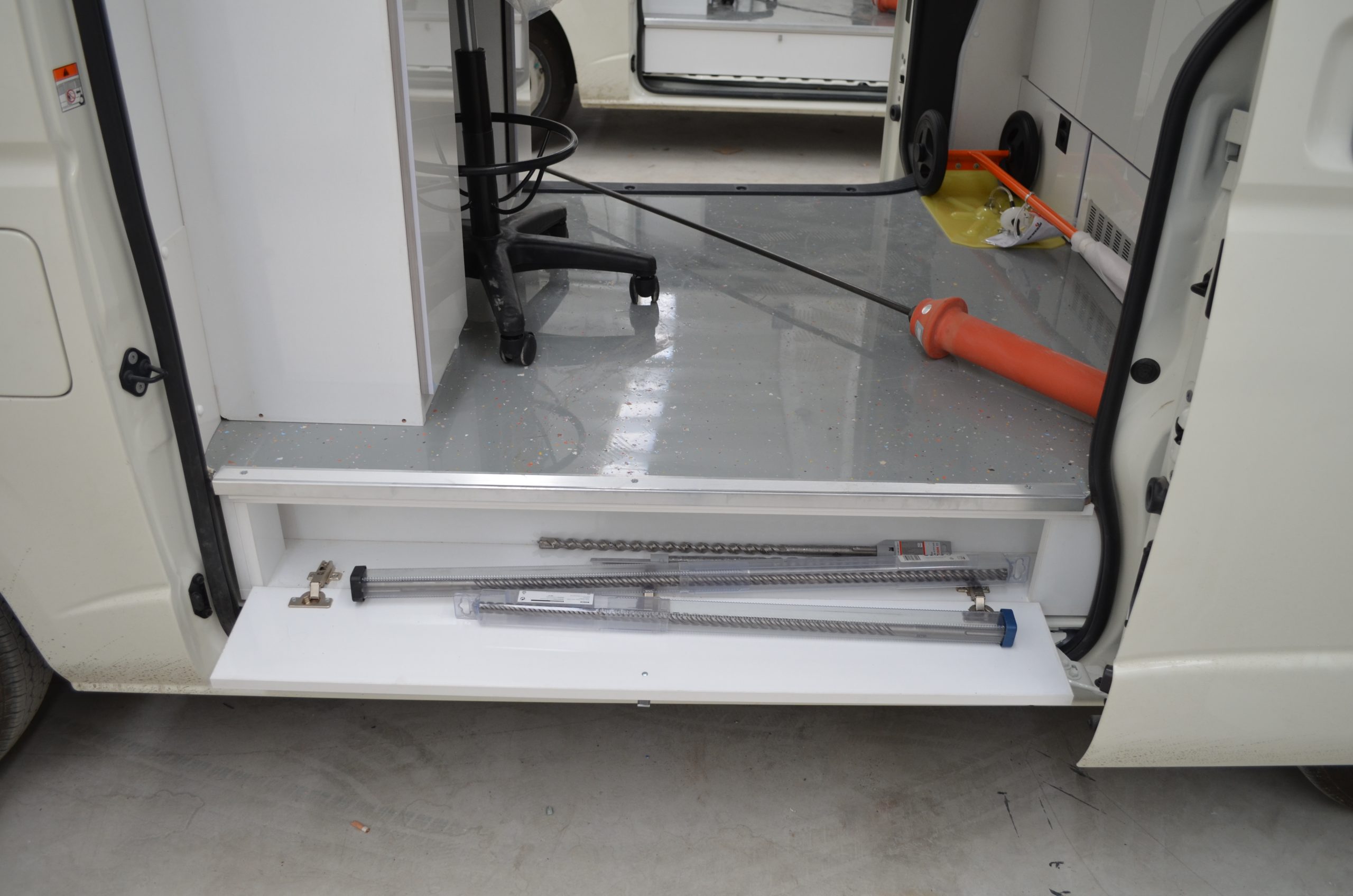
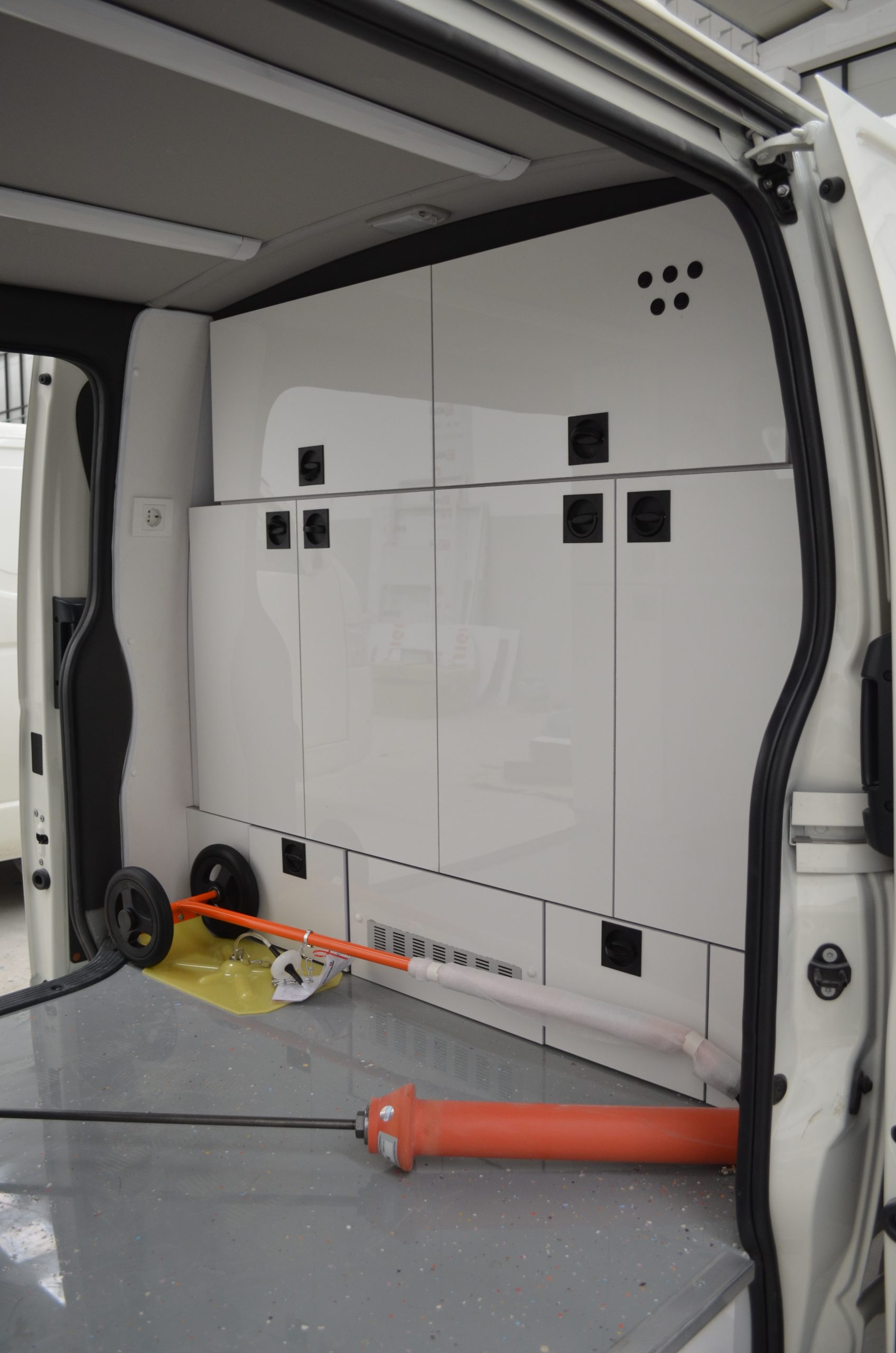
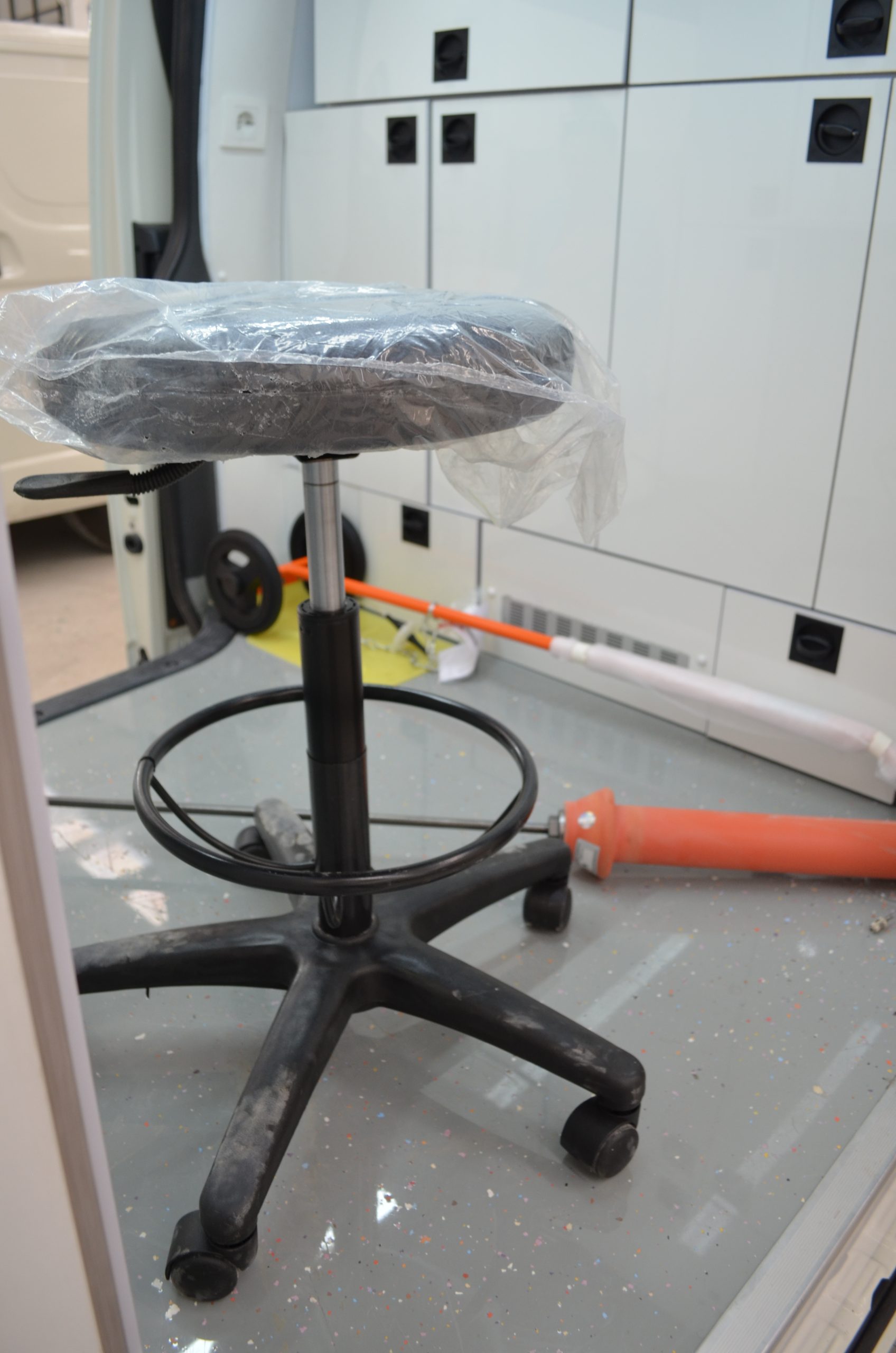
Foor will be covered with epoxy, which is a durable, easy-to-clean surface with no moisture retention. Due to its high resistance to cracking and chipping, epoxy outperforms traditional flooring systems in terms of durability. The floor’s exceptional resilience means it will not be damaged by accidental tool drops or impacts.
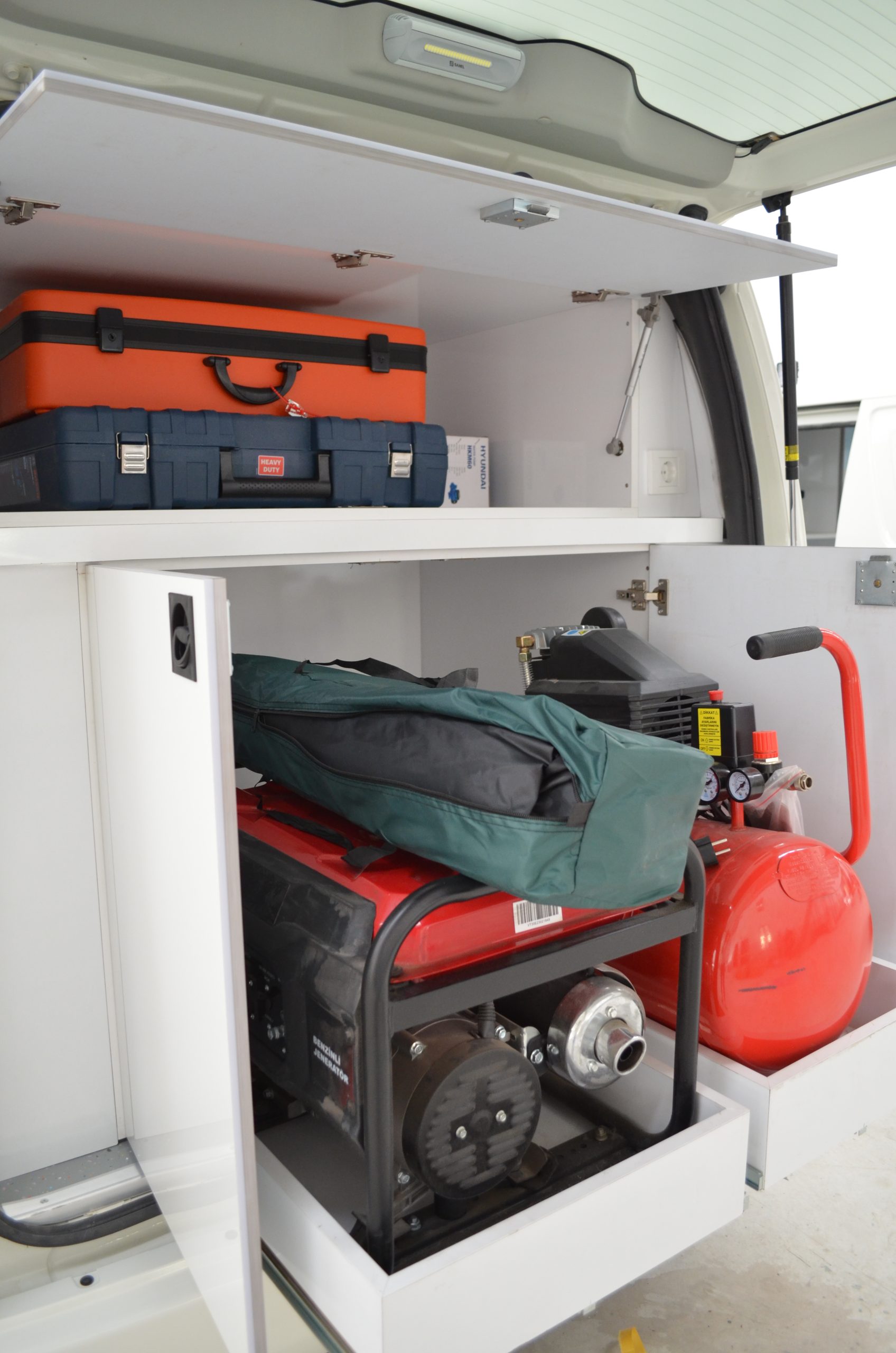
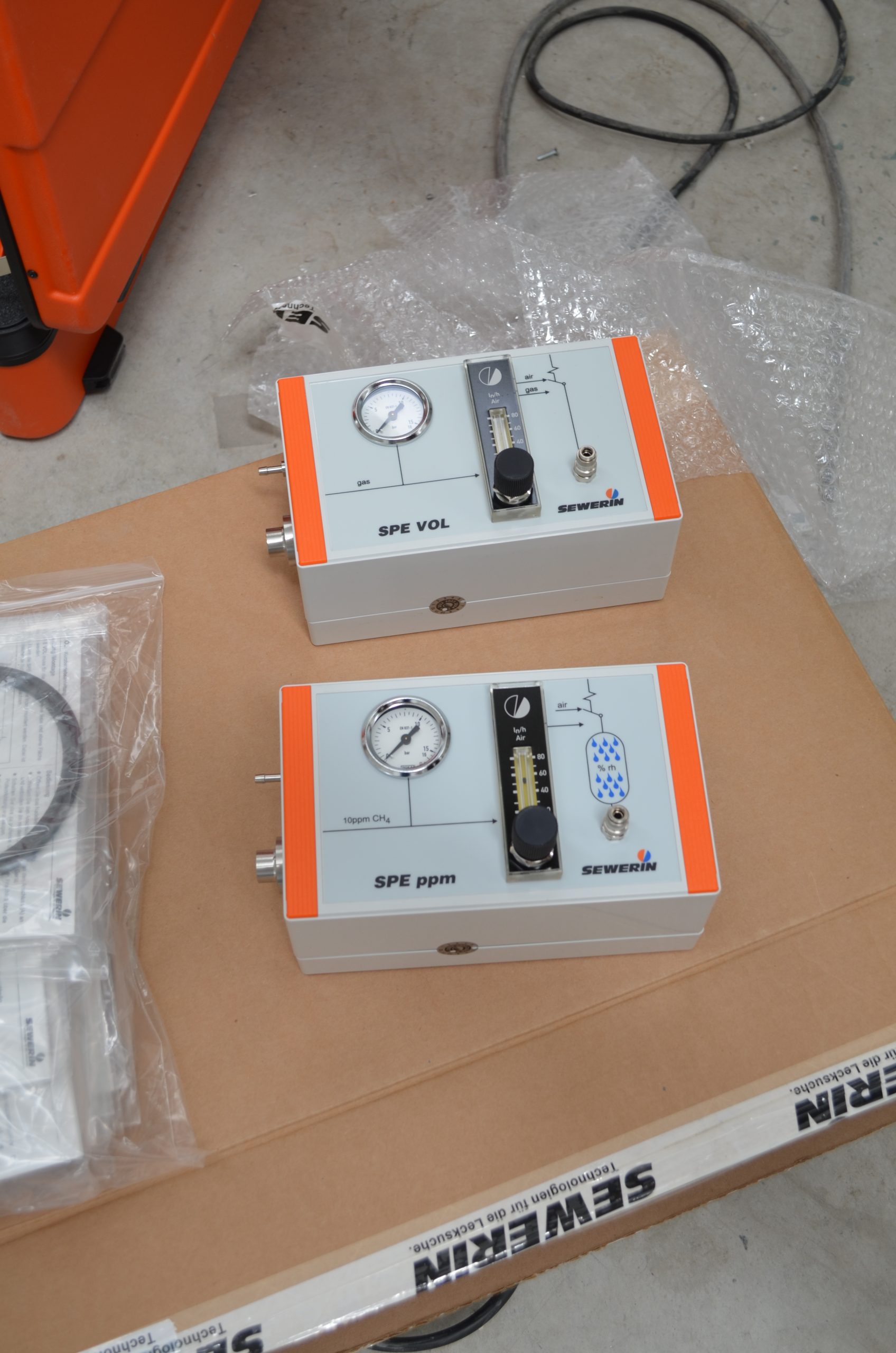
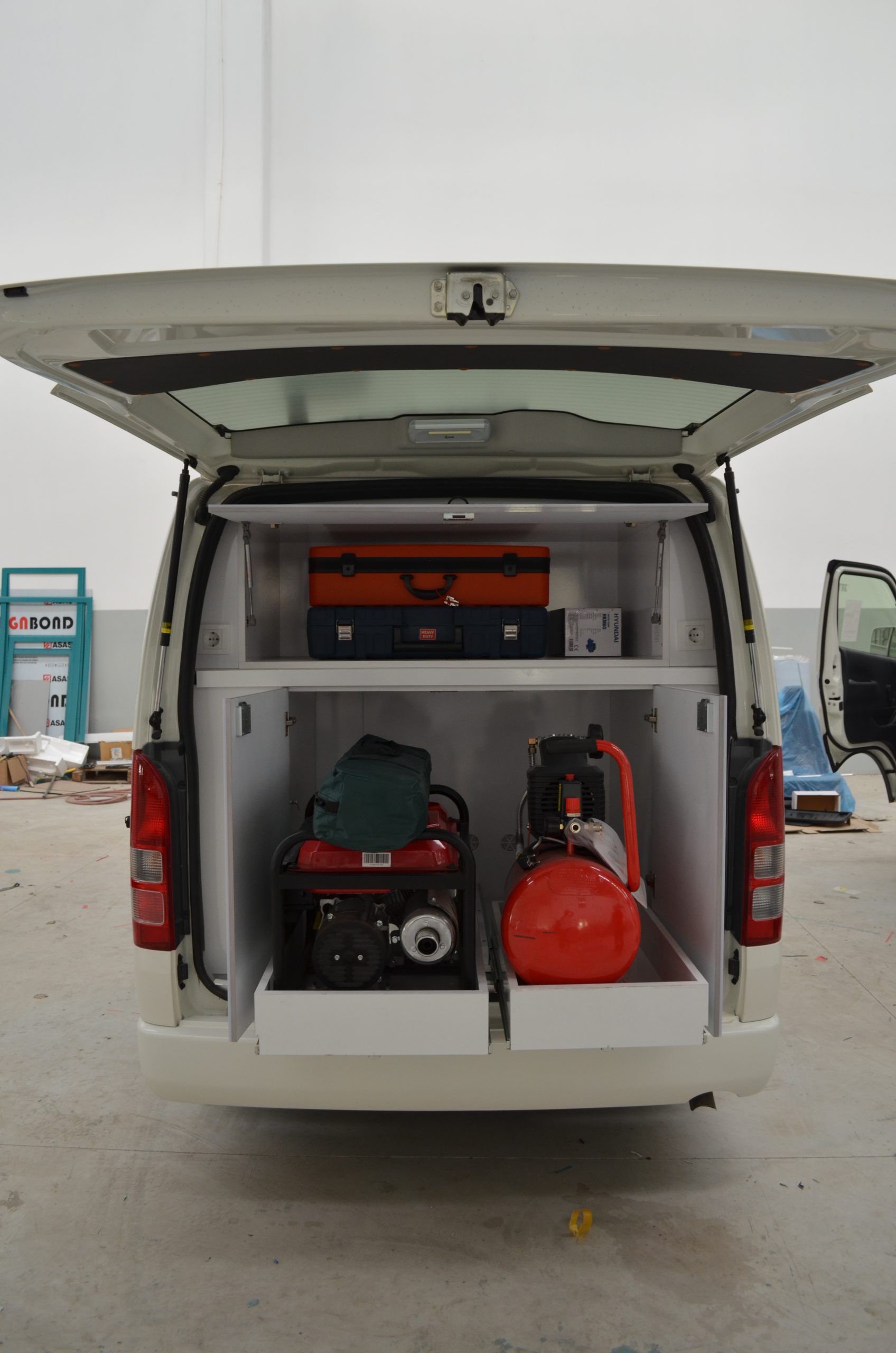
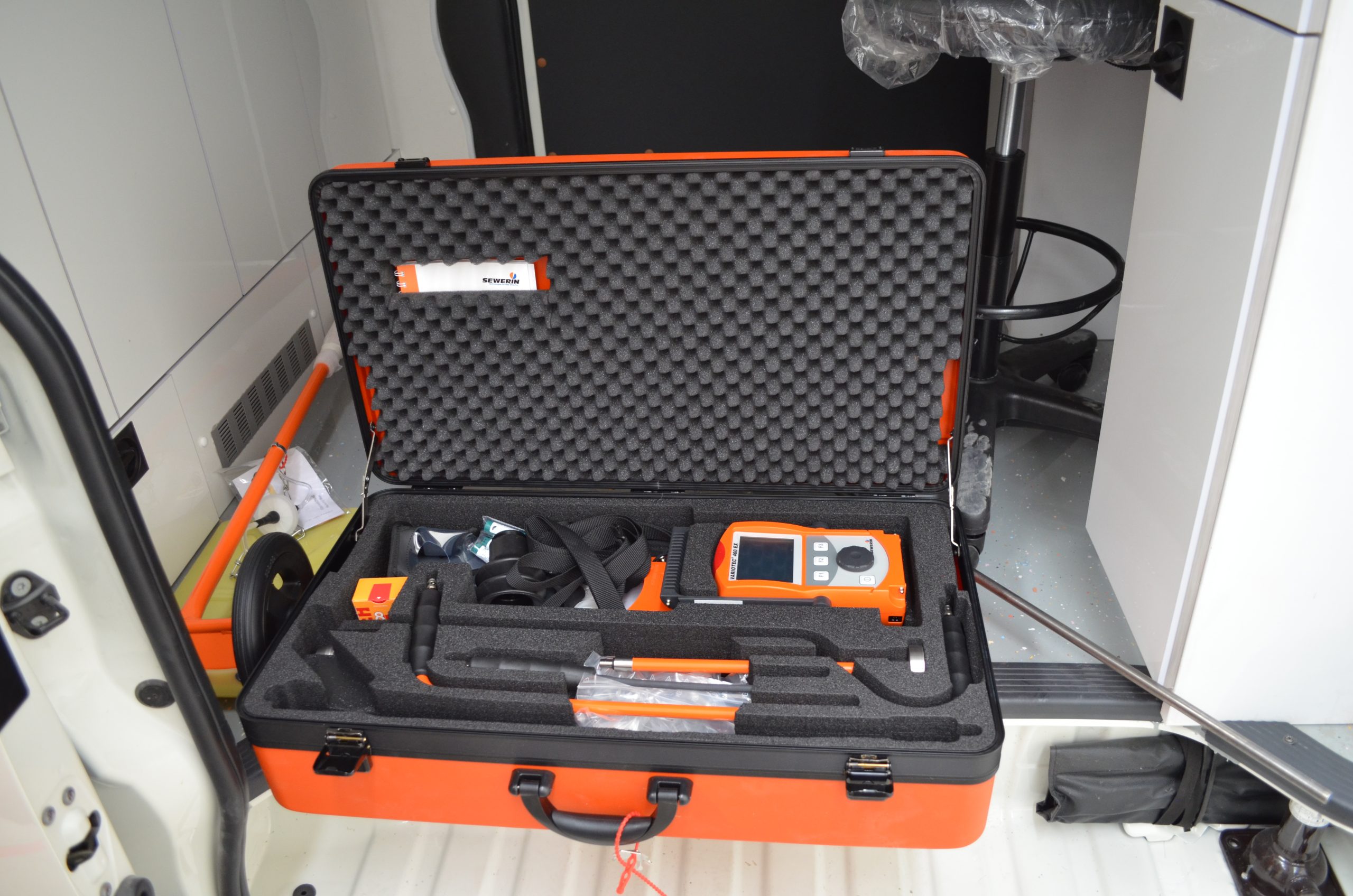
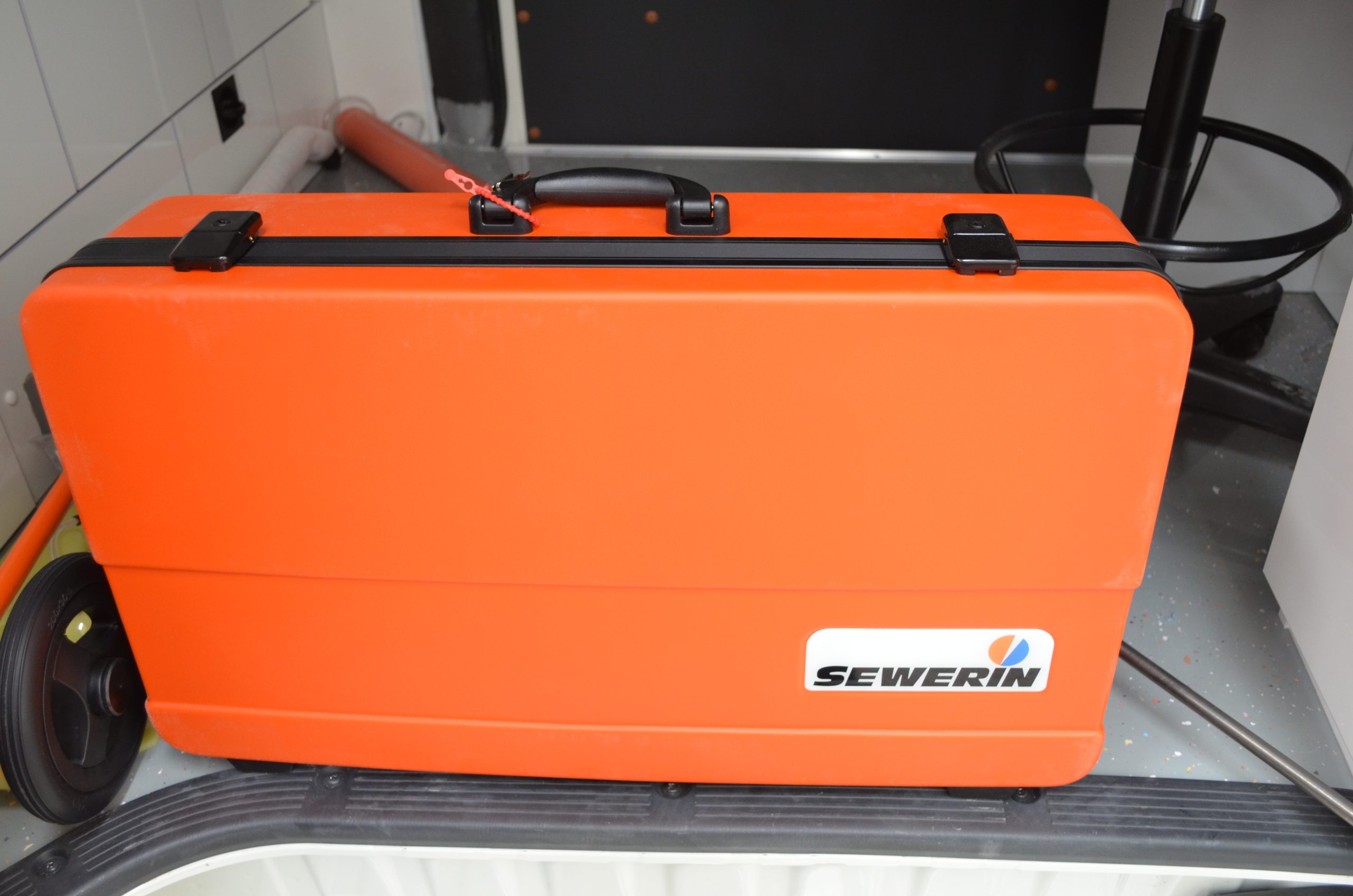
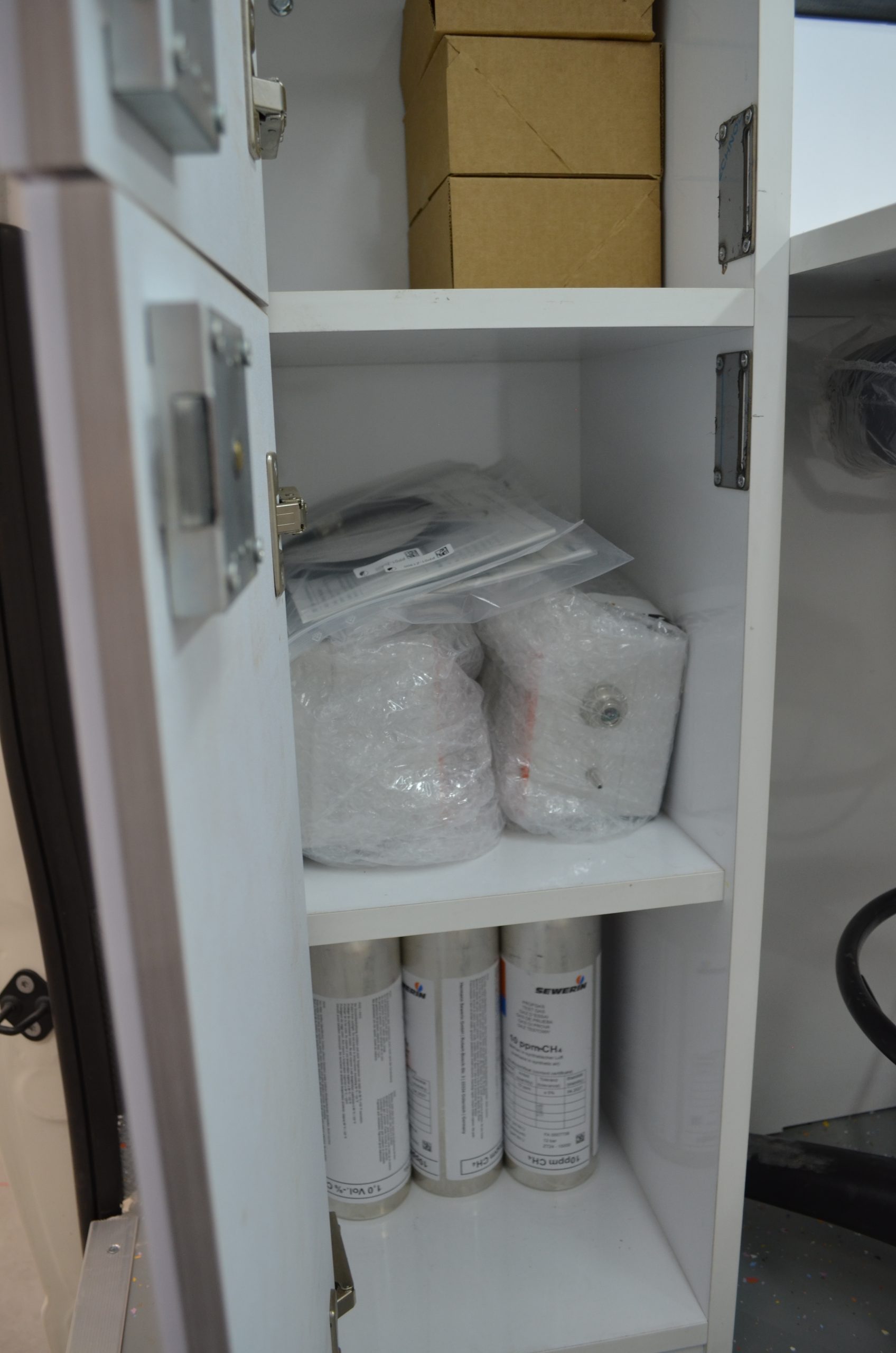
Sewerin test sets are designed with these criteria in mind, as testing technology plays an increasingly important role in ensuring operational safety. The DVGW Code of Practice G 465-4 defines the testing requirements for various device classes. Each test set includes a pressure gauge to display the pressure of the can, as well as an improved can connection to facilitate handling. Test gas cans, for example, broaden the range of applications.